
Qatar National Flower: Qataf Flower Facts & Meaning
Discover the Qatar National Flower, the Qataf flower. Learn its meaning, habitat, blooming season, facts and where to see it in Qatar.
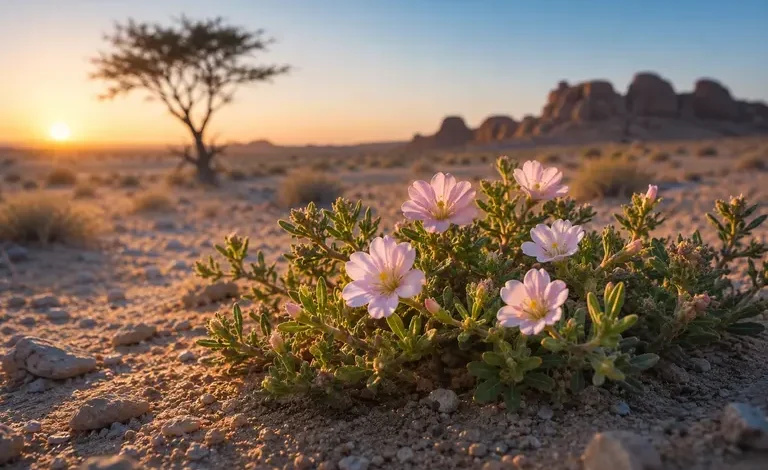
The Qatar National Flower is the Qataf flower, a native desert plant that grows naturally in Qatar’s harsh environment. It is known for its ability to survive in dry conditions and reflects the country’s strong connection with nature. Although Qatar is famous for its modern skyline, it also protects many native plants that have grown in the desert for centuries.
Visitors interested in Qatar’s wildlife should also explore the Arabian Oryx, the country’s national animal.
The Qataf flower is more than a beautiful wildflower. It represents resilience, natural beauty and the rich flora of Qatar. As a native plant, it plays an important role in the local ecosystem and supports desert biodiversity. Its seasonal bloom also adds color to the landscape after periods of rainfall.
Many visitors search for the national flower of Qatar to learn about the country’s natural heritage. They also want to know where the flower grows, why it is important and what makes it unique. Understanding the Qataf flower offers a deeper look at Qatar beyond its famous landmarks and attractions.
In this guide, you will learn what the Qatar national flower is, why it holds national importance, where it grows, when it blooms and the interesting facts that make this desert flower special.
What Is the Qatar National Flower?
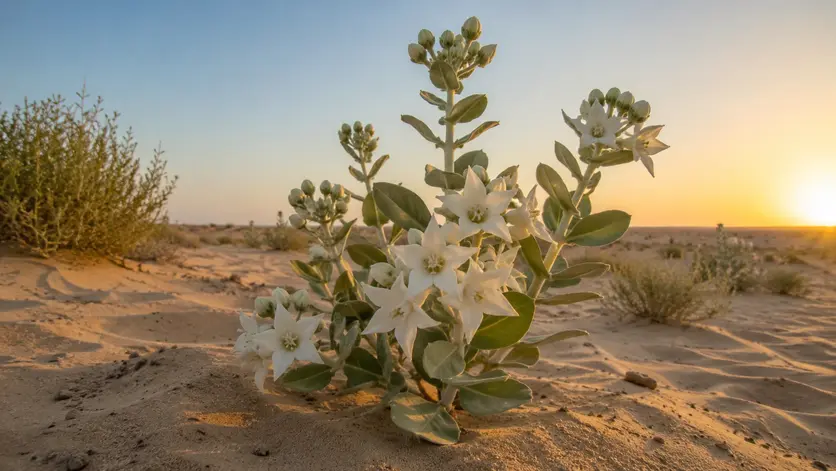
The Qatar National Flower is the Qataf flower, a native desert plant that naturally grows across different parts of the country. It has adapted to Qatar’s hot climate, sandy soil and limited rainfall, making it one of the best examples of desert vegetation in the region.
This flower is closely linked to Qatar’s natural identity. It reflects the country’s ability to thrive in a challenging environment while preserving its unique wildlife and native plants of Qatar. During the flowering season, the Qataf plant brings life and color to the desert, creating beautiful natural landscapes.
Unlike ornamental flowers grown in gardens, the Qataf flower grows in the wild. It is part of Qatar’s Qatar’s native wildlife and contributes to the balance of the desert ecosystem. The plant also supports local biodiversity by providing food and shelter for insects and other small wildlife.
Today, the Qataf flower is recognized as an important national symbol. It reminds both residents and visitors of Qatar’s commitment to protecting its natural heritage and conserving its unique desert environment.
Scientific Classification of the Qataf Flower
Learning about the scientific background of the Qatar national flower helps you understand why this plant is unique. The Qataf flower has adapted to one of the world’s driest environments. Its natural features allow it to survive where many other plants cannot.
Botanical Name
The Qataf flower is scientifically known as Cornulaca monacantha. It is a native desert shrub that grows naturally across Qatar and other parts of the Arabian Peninsula. The plant is well adapted to sandy soils and dry weather.
Plant Family
The Qataf plant belongs to the Amaranthaceae family. Many plants in this family are known for their ability to grow in harsh climates with little water. This makes the Qataf flower an important part of Qatar’s native flora.
Native Habitat
The Qataf flower grows in open deserts, sand dunes and dry plains. It prefers areas with well-drained sandy soil and plenty of sunlight. Seasonal rainfall helps the plant grow and produce flowers, but it can survive long dry periods without regular water.
Because it is a native plant of Qatar, the Qataf flower supports the local desert ecosystem. It also grows alongside other desert vegetation that has adapted to the country’s extreme climate.
Physical Characteristics
The Qataf plant is a low growing desert shrub with thin, branching stems and small leaves that help reduce water loss. During the flowering season, it produces small flowers that blend naturally with the desert landscape. Its deep root system absorbs moisture from beneath the surface, allowing the plant to survive in dry conditions.
These natural adaptations make the Qataf flower a strong symbol of resilience. They also explain why it is recognized as the national flower of Qatar and an important part of the country’s natural heritage.
Why Is the Qataf the National Flower of Qatar?
The Qataf flower was chosen as the Qatar national flower because it reflects the country’s natural environment and cultural identity. It grows in the desert without needing much water. This ability makes it a strong symbol of resilience, patience and strength.
For generations, native plants have been an important part of life in Qatar. They have supported local wildlife and helped shape the desert landscape. The Qataf flower represents this close connection between nature and the people of Qatar.
The flower also highlights Qatar’s rich natural heritage. Although the country is known for its modern cities, it continues to protect its native plants and desert ecosystems. Choosing a local flower as a national symbol shows the importance of preserving the environment for future generations.
Another reason for its importance is its role in biodiversity. The Qataf plant provides shelter and food for small insects and other desert wildlife. It also helps maintain the balance of the local ecosystem by growing in areas where only hardy plants can survive.
Today, the national flower of Qatar reminds both residents and visitors that the country’s beauty is found not only in its architecture but also in its unique desert landscapes. It stands as a symbol of endurance, environmental awareness and pride in Qatar’s natural identity.
Where Does the Qataf Flower Grow?
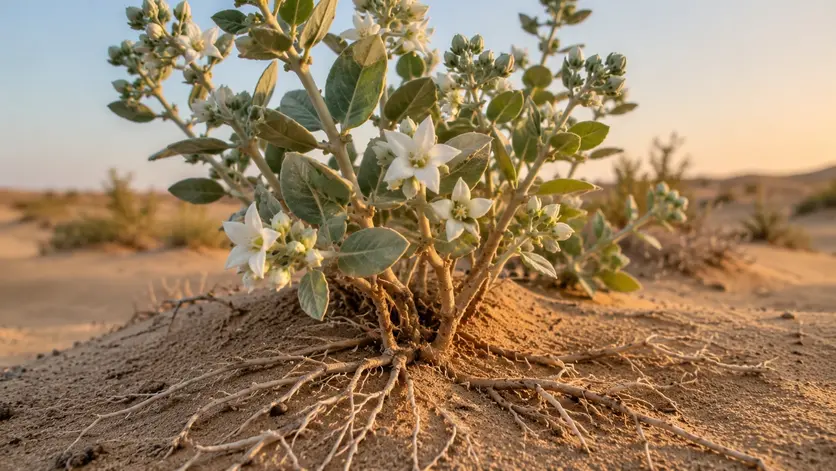
The Qataf flower grows naturally across many desert areas of Qatar. It prefers dry land with sandy or gravelly soil and plenty of sunlight. Like many native plants of Qatar, it has adapted to survive in harsh desert conditions with very little rainfall.
Natural Habitat
The Qataf plant is commonly found in open deserts, sand dunes and rocky plains. It grows well in areas where the soil drains water quickly. Its deep roots help it absorb moisture from below the surface, allowing the plant to survive long dry seasons.
This hardy desert plant also grows alongside other native vegetation that supports Qatar’s desert ecosystem. Together, these plants help reduce soil erosion and provide food and shelter for local wildlife.
Best Places to See the Qataf Flower in Qatar
If you want to see the Qatar national flower, visit natural desert areas after seasonal rainfall. The plant is easier to spot during its blooming period when fresh flowers appear across the landscape.
Some of the best places to look for native desert plants include:
- Al Reem Biosphere Reserve
- Ras Abrouq
- Zekreet
- Al Thakira and nearby natural areas
- Protected desert regions across western and northern Qatar
When visiting these locations, stay on marked paths and avoid picking wild plants. Protecting native flowers helps preserve Qatar’s natural heritage and supports local biodiversity for future generations.
When Does the Qataf Flower Bloom?
The Qataf flower usually blooms between February and April. This is the best time to see the Qatar national flower in its natural habitat. However, the exact blooming period may vary slightly depending on seasonal rainfall and weather conditions.
Rain plays a major role in the blooming process. When the desert receives enough moisture, the plant produces new growth and small flowers. Dry years may result in fewer blooms, while wetter seasons can create large patches of flowering desert vegetation.
The best time for visitors to see the Qatar national flower is generally from February to April. During this period, temperatures are milder and many native plants become more visible across desert landscapes.
Morning visits are often the most comfortable, especially for photography and nature walks. The soft sunlight also makes it easier to observe the natural colors of the flowers and surrounding desert plants.
Because blooming depends on rainfall, the exact timing can change from year to year. Checking local weather conditions before a desert trip can improve your chances of seeing the Qataf flower in bloom.
This seasonal appearance is one reason the flower is so special. It transforms dry desert areas into colorful natural habitats and highlights the beauty of Qatar’s native flora during the spring season.
Interesting Facts About the Qataf Flower
The Qataf flower is one of Qatar’s most fascinating native plants. Here are some interesting facts that make the Qatar national flower unique.
- The Qataf flower is native to Qatar and grows naturally in desert landscapes without human care.
- It has adapted to extreme heat, dry winds and limited rainfall. This allows the plant to survive in one of the world’s harshest climates.
- The plant develops deep roots that help it reach moisture below the surface. This improves its chances of surviving long dry periods.
- The Qataf flower blooms after seasonal rainfall, bringing color to the desert during late winter and early spring.
- It is an important part of Qatar’s native flora and supports the country’s desert biodiversity.
- Small insects and other wildlife depend on native desert plants like the Qataf for food and shelter.
- The Qataf flower represents resilience, natural beauty and Qatar’s commitment to protecting its environmental heritage.
- Visitors can often see the plant in protected desert areas, where conservation efforts help preserve native species for future generations.
These facts show why the national flower of Qatar is more than just a beautiful desert plant. It is an important symbol of the country’s natural environment and rich biodiversity.
How Does the Qataf Flower Survive in the Desert?
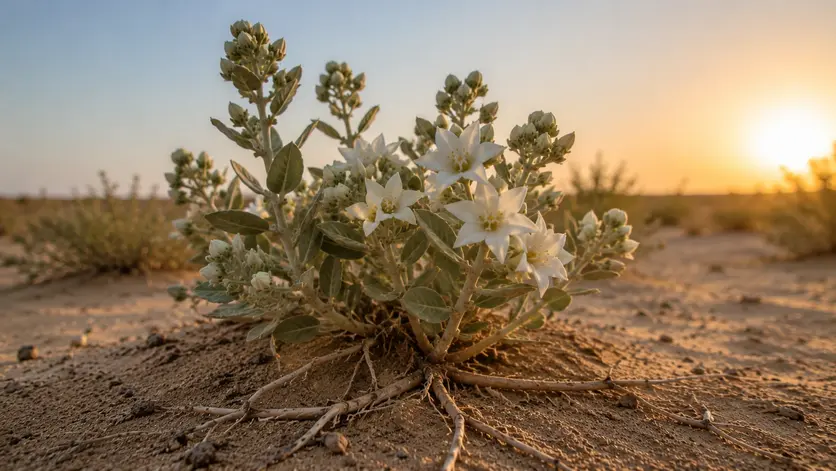
The Qataf flower has developed several natural adaptations that help it survive in Qatar’s harsh desert climate. These features allow the plant to grow where many other species cannot.
One of its biggest strengths is its deep root system. The roots reach below the surface to absorb moisture that remains in the soil long after rainfall. This helps the plant stay alive during long dry periods.
The plant also has small leaves and thin stems that reduce water loss. As a result, it can conserve moisture and continue growing even in hot weather. These adaptations are common among desert plants in Qatar.
The Qataf flower grows well in sandy and well-drained soil. It can tolerate high temperatures, strong sunlight and dry winds throughout most of the year. This makes it a perfect example of a plant that has adapted to the desert ecosystem.
In addition, the Qataf plant plays an important role in nature. It helps stabilize sandy soil and supports local biodiversity by providing shelter for small insects and other desert wildlife.
These natural survival traits make the Qatar national flower a symbol of strength and resilience. They also highlight the importance of Qatar’s natural heritage of Qatar for future generations.
Conservation and Protection Efforts
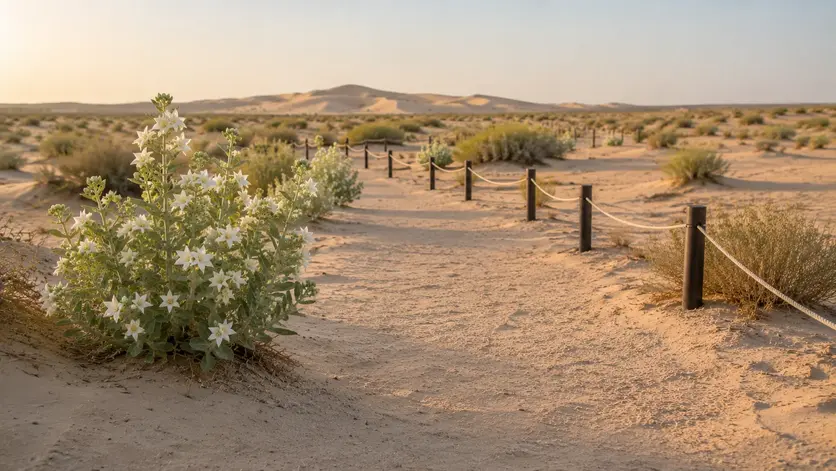
The Qataf flower is an important part of Qatar’s natural heritage. Protecting this native plant helps preserve the country’s desert ecosystem and supports local biodiversity.
Qatar has taken steps to conserve its natural habitats through protected reserves and environmental programs. These efforts help safeguard native plants, wildlife and fragile desert landscapes from human activities and environmental damage.
Conservation also depends on public awareness. Visitors are encouraged to admire wild plants without picking or damaging them. Staying on marked paths during desert trips helps protect the natural habitat of the Qatar national flower and other native species.
Researchers and environmental organizations continue to study Qatar’s native flora to better understand desert ecosystems and support long-term conservation. Their work helps ensure that future generations can enjoy the country’s unique plant life.
Protecting the Qataf flower is not only about saving one plant. It is about preserving Qatar’s natural identity and maintaining a healthy environment where native species can continue to thrive.
Qataf Flower vs Other Native Flowers in Qatar
Many wildflowers grow across Qatar’s desert landscape. However, the Qataf flower stands out because it is recognized as the Qatar national flower. Its cultural value and ability to thrive in harsh conditions make it one of the country’s most important native plants.
| Feature | Qataf Flower | Other Native Flowers |
|---|---|---|
| National status | National flower of Qatar | No official status |
| Habitat | Deserts, sand dunes, and dry plains | Deserts, rocky areas, and coastal regions |
| Climate tolerance | Extremely high | Varies by species |
| Cultural importance | Strong national symbol | Mainly ecological value |
| Best viewing season | February to April | Depends on the species |
While many native flowers of Qatar add beauty to the desert, the Qataf flower holds a special place in the country’s natural heritage. It represents resilience, biodiversity and the unique character of Qatar’s desert environment.
Conclusion
The Qatar national flower, the Qataf flower, is a remarkable desert plant that reflects the country’s strength, resilience and natural beauty. Its ability to thrive in harsh conditions makes it an important part of Qatar’s native flora and desert ecosystem.
Whether you are interested in Qatar national symbols, planning a nature trip or learning about native plants, the Qataf flower offers a deeper understanding of the country’s environmental heritage. By protecting this unique species and its habitat, Qatar continues to preserve an important part of its natural identity for future generations.
Frequently Asked Questions
The national flower of Qatar is the Qataf flower. It is a native desert plant that symbolizes resilience, natural beauty and Qatar’s rich environmental heritage.
The scientific name of the Qataf flower is Cornulaca monacantha. It is a hardy desert shrub that belongs to the Amaranthaceae plant family.
You can find the Qataf flower in natural desert areas across Qatar. It is commonly seen in places such as Al Reem Biosphere Reserve, Ras Abrouq and Zekreet, especially during the flowering season.
The Qataf flower usually blooms between February and April. The exact timing may vary slightly depending on seasonal rainfall and weather conditions.
The Qataf flower is important because it represents Qatar’s natural heritage and desert environment. It also highlights the country’s commitment to protecting its native plants and biodiversity.
Yes. The Qataf flower also grows in other parts of the Arabian Peninsula. However, it is recognized as the Qatar national flower because of its strong connection to the country’s landscape and natural identity.