

Culture of Qatar
What Is the Culture of Qatar?
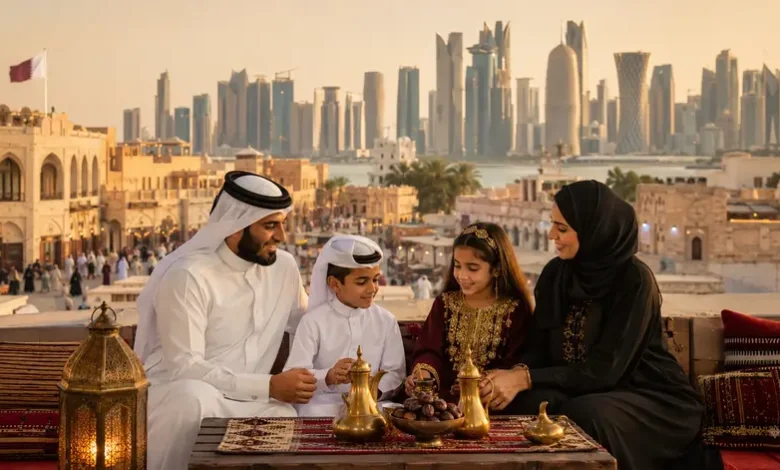
The Culture of Qatar is the way people in Qatar live, celebrate and connect with each other. It is shaped by Arab traditions, Islamic values and the country’s long history. These influences can be seen in family life, clothing, food, greetings, festivals and daily customs.
Before Qatar became a modern country, many people worked as pearl divers, fishermen, traders and Bedouins who traveled across the desert. Their simple lifestyle taught them the importance of courage, honesty, patience and helping others. These values are still an important part of Qatari culture today.
Over the last few decades, Qatar has grown into a global destination for business, tourism, education and sports. New buildings, modern technology and international communities have changed the country’s lifestyle. However, Qatar has carefully protected its traditions while embracing progress. This balance between old and new makes Qatar culture unique.
Visitors can experience the Culture of Qatar by exploring traditional markets, tasting local food, visiting museums, joining national celebrations and learning about local customs. Whether you are visiting for a few days or living in the country, understanding Qatar traditions helps you appreciate the nation’s history, values and welcoming spirit.
History of Qatari Culture
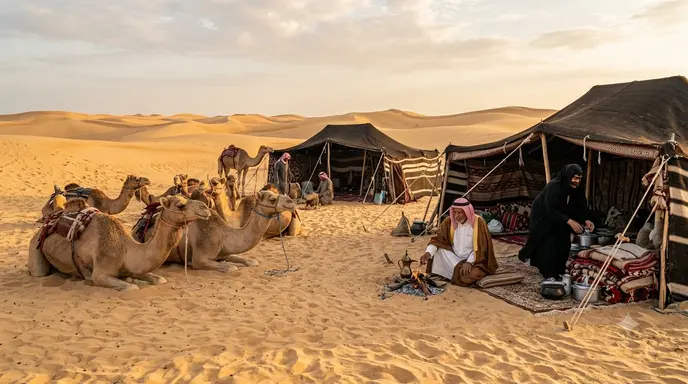
The history of Qatari culture began long before modern cities and skyscrapers appeared. For centuries, people in Qatar lived in the desert and along the Arabian Gulf. Many families depended on pearl diving, fishing, camel herding and trade to earn a living. Life was not always easy, but these experiences helped shape the values that are still respected in Qatar today.
The Bedouins played an important role in the early Culture of Qatar. Native plants such as the Sidra Tree in Qatar have also remained powerful symbols of the country’s heritage and Bedouin traditions. They traveled across the desert, cared for their animals and lived in close-knit communities. They believed in honesty, courage, generosity and helping guests. These traditions became the foundation of Qatar customs and continue to influence everyday life.
Before oil and natural gas changed the country’s economy, pearl diving was one of Qatar’s most important industries. Skilled divers spent months at sea searching for natural pearls, while traders connected Qatar with other countries across the Gulf. This period helped build the nation’s strong trading spirit and cultural identity. Historic landmarks such as the House of Lusail continue to preserve important moments that shaped Qatar’s political and cultural heritage.
The discovery of oil and natural gas in the 20th century transformed Qatar into one of the world’s fastest-growing nations. Modern roads, schools, hospitals and cities were developed, but the country continued to protect its heritage. Today, the Culture of Qatar reflects a perfect balance between its rich history and its modern vision for the future.
This period also marked the beginning of Qatar’s modern development under the leadership of Sheikh Hamad bin Khalifa Al Thani, whose vision helped preserve the country’s heritage while driving rapid progress.
One of the country’s most recognised national symbols is the National Flower of Qatar, which represents the beauty and resilience of Qatar’s desert environment.
Core Values That Define Qatari Culture
The Culture of Qatar is built on strong values that bring families and communities together. These values have been passed down from one generation to the next and remain an important part of Qatari culture today. Whether at home, work or in public, people are encouraged to treat others with kindness and respect.
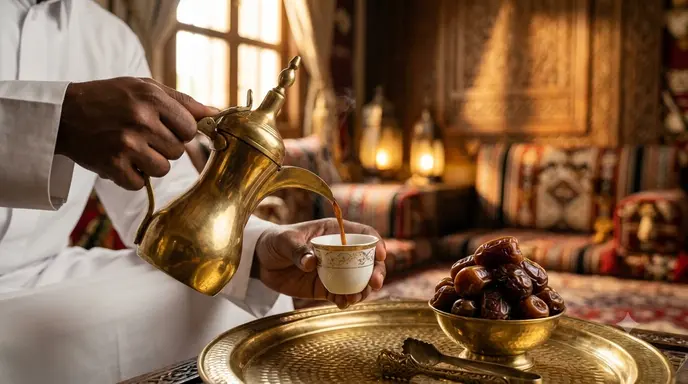
One of the most important values in Qatar traditions is hospitality. Guests are welcomed with a smile and are often offered Arabic coffee (Gahwa) and fresh dates as a sign of respect. It is common for families to spend time together in the Majlis, a traditional gathering place where people talk, share ideas and welcome visitors.
Family is another key part of Qatar customs. Families stay closely connected and older family members are respected for their knowledge and experience. Children are taught good manners from a young age, including being polite, helping others and respecting elders.
Generosity and community support are also important values. During Ramadan, Eid and other special occasions, families and neighbours come together to share meals, exchange gifts and support those in need. These traditions help create a strong sense of unity across the country.
Although Qatar is now home to people from many different cultures, these timeless values continue to shape daily life. They are one of the main reasons why visitors often describe Qatar as a friendly, welcoming and respectful country.
Religion and Daily Life in Qatar
Islam plays an important role in the Culture of Qatar and influences many parts of daily life. It shapes traditions, family values, celebrations and social customs across the country. Most Qataris are Muslim and Islamic teachings encourage kindness, honesty, respect and care for others.
One of the most visible parts of daily life is the five daily prayers. Prayer times are observed throughout the country and many people plan their day around them. During the holy month of Ramadan, Muslims fast from sunrise to sunset, spend more time in prayer and focus on charity and helping those in need.
Major Islamic celebrations such as Eid al-Fitr and Eid al-Adha are also important parts of Qatar traditions. Families gather together, share meals, visit relatives and exchange gifts during these special occasions.
Religion also influences everyday behavior. People are encouraged to dress modestly, speak politely and show respect to elders, guests and the wider community. Visitors do not need to be Muslim to enjoy Qatar, but understanding these customs helps them appreciate the country’s culture and interact respectfully with local people.
The strong connection between faith and community is one of the key features that makes Qatari culture unique.
Traditional Clothing in Qatar
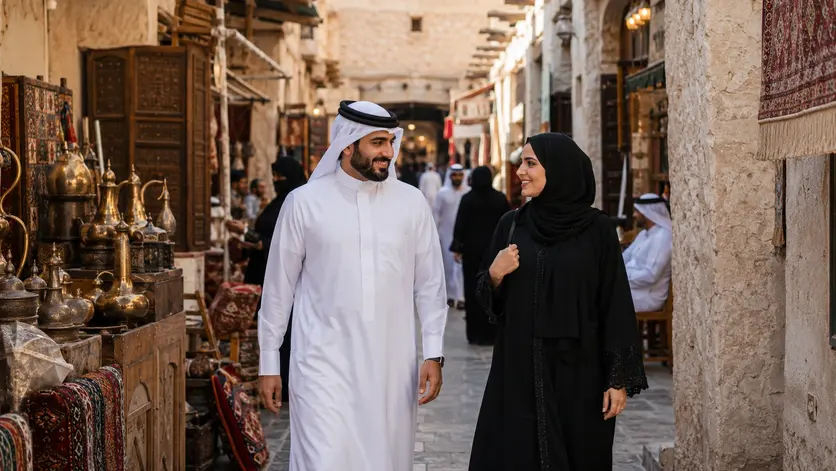
Traditional clothing is an important part of the Culture of Qatar. It reflects the country’s history, values and identity while also being practical for the hot desert climate. Although many people wear modern fashion in certain settings, traditional clothing remains a proud symbol of Qatari culture, especially during national celebrations, family gatherings, religious occasions and official events.
Qatari men usually wear a long white robe called a thobe. It is light, comfortable and suitable for Qatar’s warm weather. They also wear a white head covering called a ghutra, which is held in place by a black cord known as an agal. During colder months or formal occasions, darker-colored thobes may also be worn.
Qatari women commonly wear a black abaya, a loose outer garment that combines elegance with modesty. Many also wear a shayla, a lightweight headscarf that complements the abaya. While the designs and fabrics may vary, these traditional clothes reflect respect for local customs and Islamic values.
Today, traditional and modern fashion exist side by side in Qatar. This balance allows people to celebrate their heritage while embracing contemporary styles, making traditional clothing a lasting symbol of the Culture of Qatar.
Traditional Food That Reflects Qatari Culture
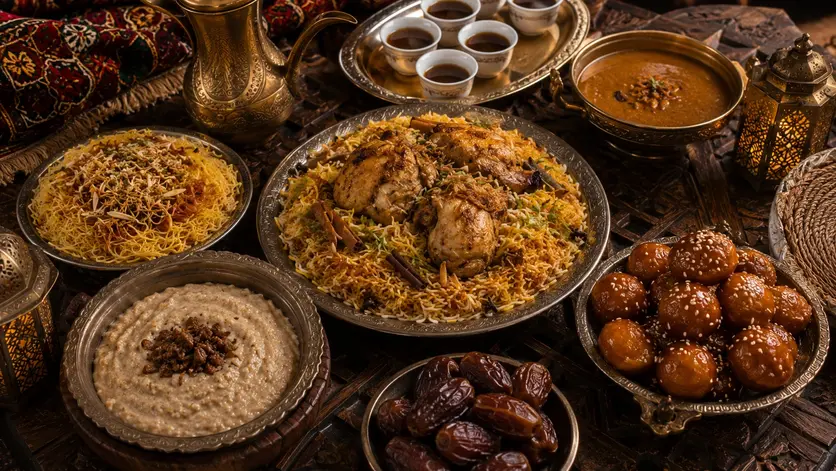
Food is an important part of the Culture of Qatar. It brings families together, welcomes guests and keeps traditions alive. Many traditional dishes have been enjoyed for generations and are still prepared during family gatherings, religious celebrations and national events. Qatari food is known for its rich flavors, fragrant spices and fresh ingredients.
One of the most popular dishes is Machboos, a flavorful rice meal cooked with meat or seafood and a blend of local spices. Another favourite is Harees, which combines wheat and meat into a soft, comforting dish that is often served during Ramadan and Eid. For breakfast, many people enjoy Balaleet, a sweet and savory dish made with vermicelli, eggs and aromatic spices.
Traditional desserts are also an important part of Qatar traditions. Luqaimat, small golden dumplings drizzled with date syrup or honey, are especially popular during festive occasions. Visitors will also notice the importance of Arabic coffee (Gahwa), which is usually served with fresh dates as a symbol of hospitality and respect. Karak tea, with its rich and creamy flavor, has also become one of the country’s most loved drinks.
Today, Qatar offers food from around the world but traditional dishes remain at the heart of Qatari culture. They reflect the country’s history, generosity and strong sense of community, giving both residents and visitors a true taste of Qatar’s heritage.
Visitors looking to experience authentic Qatari cuisine can explore some of the best restaurants in Qatar, where both traditional and modern local dishes are served.
Traditional dishes are often easiest to discover while exploring the top markets in Qatar, where local food culture comes to life.
Arts, Music and Cultural Heritage
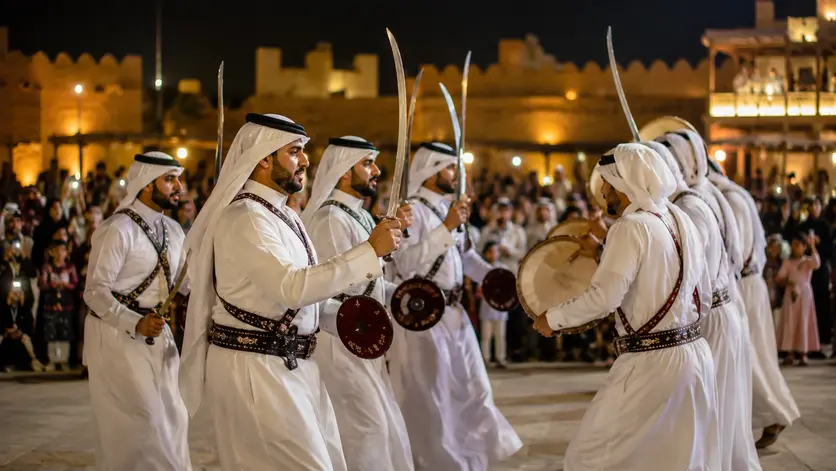
The Culture of Qatar is rich in art, music and traditions that have been preserved for generations. These cultural treasures tell the story of the country’s history and help young people stay connected to their heritage. Even as Qatar continues to grow and modernize, many traditional art forms remain an important part of daily life and national celebrations.
Qatar’s wildlife also forms an important part of its identity. Learn more about the National Animal of Qatar and its significance in the country’s natural heritage.
One of the best-known cultural performances is the Ardah, a traditional sword dance performed during national events, weddings and festivals. The dance is accompanied by drums and poetry, celebrating courage, unity and pride. Traditional poetry also holds a special place in Qatari culture, as it has long been used to share stories, express emotions and preserve the history of the region.
Qatar is also famous for falconry, a centuries-old tradition that reflects the country’s Bedouin heritage. Falcon training is still respected today and is recognised by UNESCO as part of the world’s Intangible Cultural Heritage. Another important tradition is dhow building, which remembers the wooden boats once used for pearl diving, fishing and trade across the Arabian Gulf.
Museums, cultural festivals and heritage villages continue to protect these traditions, allowing both residents and visitors to experience the true spirit of the Culture of Qatar.
Visitors can discover many of these traditions by exploring museums and tourist attractions in Qatar, where the country’s history and heritage are carefully preserved.
Festivals and National Celebrations
Festivals and national events are an important part of the Culture of Qatar. They bring families, friends and communities together while celebrating the country’s traditions, faith and national identity. Throughout the year, people take part in special occasions that reflect the values of unity, gratitude and respect.
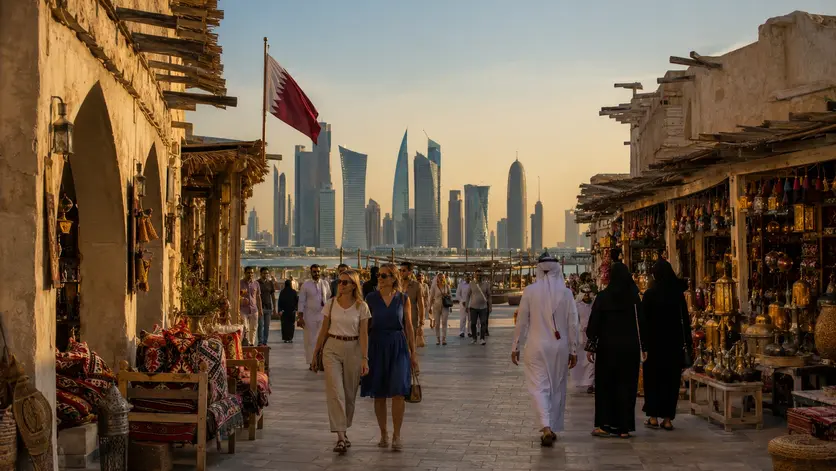
One of the most important celebrations is Qatar National Day, held every year on 18 December. The day honors the country’s history and achievements with parades, fireworks, cultural performances and family-friendly activities. Many people proudly display the Qatari flag and wear traditional clothing to celebrate their national heritage. During these celebrations, many people proudly display the Qatar flag, a national symbol that reflects the country’s identity and heritage.
Religious festivals also play a significant role in Qatari culture. Eid al-Fitr marks the end of Ramadan, while Eid al-Adha is celebrated with prayers, family gatherings and acts of charity. During these occasions, relatives visit one another, share traditional meals, and exchange gifts strengthening family and community bonds.
Another important event is Qatar National Sports Day, which encourages people of all ages to enjoy physical activities and live a healthy lifestyle. Alongside these celebrations, cultural festivals held throughout the year showcase traditional music, art, crafts and local heritage, giving visitors a deeper understanding of the Culture of Qatar.
Famous Cultural Places in Qatar
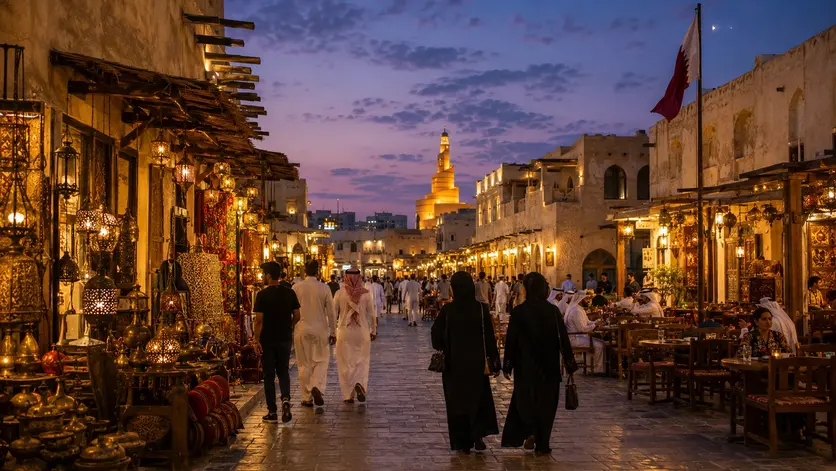
The Culture of Qatar can best be experienced by visiting the country’s famous cultural landmarks. These places allow visitors to explore Qatar’s history, traditions, art and daily life while learning how the nation has preserved its heritage alongside modern development.
One of the most popular destinations is Souq Waqif, a traditional marketplace in the heart of Doha. Its narrow streets are filled with local shops, restaurants, cafés and handicraft stores. Visitors can shop for spices, perfumes, traditional clothing and souvenirs while enjoying the lively atmosphere that reflects authentic Qatari culture.
Another must-visit attraction is Katara Cultural Village, a centre for art, music, theatre and cultural events. Throughout the year, Katara hosts exhibitions, performances and festivals that celebrate both local traditions and international cultures, making it one of Qatar’s most important cultural destinations.
The National Museum of Qatar tells the story of the country’s past, from its Bedouin roots and pearl diving history to its remarkable modern transformation. Interactive exhibits and historical collections help visitors understand how the Culture of Qatar has evolved over time.
The Museum of Islamic Art is another landmark that showcases centuries of Islamic art, manuscripts, ceramics, textiles and jewellery from different parts of the world. Together, these cultural attractions offer visitors a deeper understanding of Qatar heritage and the traditions that continue to shape the nation today.
If you’re planning your itinerary, don’t miss these best places to visit in Qatar for a deeper understanding of the country’s history and traditions.
Modern Culture of Qatar

The Culture of Qatar has successfully combined tradition with modern progress. While the country is known for its impressive skyline, advanced technology, and world-class infrastructure, it continues to preserve the customs and values that define Qatari culture.
Today, people from many nationalities live and work in Qatar, creating a diverse and welcoming society. Although modern lifestyles have influenced daily life, local traditions, family values, the Arabic language and Islamic customs remain an important part of the country’s identity.
Qatar has invested in education, tourism, sports and innovation, making it a global destination for business and travel. At the same time, historic markets, museums and cultural landmarks continue to celebrate the nation’s heritage.
This balance between tradition and progress makes the Culture of Qatar truly unique. Visitors can experience centuries-old customs while enjoying one of the world’s most modern countries, offering a memorable journey through both the past and the present.
Qatar’s economic growth has also made it one of the leading destinations for business in Qatar, attracting companies and professionals from around the world.
Many expatriates choose the country because of its high quality of life, making living in Qatar an attractive option for families and professionals alike.
Cultural Etiquette Every Visitor Should Know
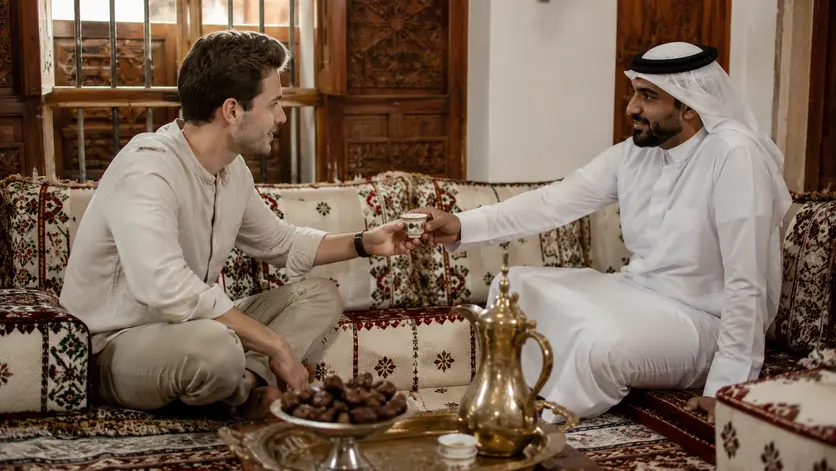
Learning a few local customs can make your visit more enjoyable and show respect for the Culture of Qatar. Qatar is a welcoming country and visitors are appreciated when they respect local traditions and behave politely.
When greeting someone, a simple handshake is common, although some people may prefer not to shake hands with the opposite gender for religious reasons. It is always polite to wait and follow the other person’s lead. Using greetings such as “As-salamu Alaikum” is also appreciated.
Visitors should dress modestly, especially when visiting mosques, museums and traditional areas. Light, comfortable clothing that covers the shoulders and knees is recommended. Public displays of affection should be avoided and people should always ask permission before taking photos of local residents.
Respecting local customs during Ramadan is also important. Eating, drinking or smoking in public during fasting hours may be restricted. Speaking politely, respecting queues and keeping public places clean are simple ways to show good manners.
By following these customs, visitors can better understand Qatari culture and enjoy a respectful and memorable experience while exploring the country.
Why the Culture of Qatar Is Unique
The Culture of Qatar is unique because it combines centuries-old traditions with modern progress. While the country has grown into a global centre for business, education, tourism and sports, it continues to protect the values and customs that have shaped its identity for generations.
What makes Qatari culture special is its strong focus on family, hospitality, respect and community. Traditional practices such as welcoming guests with Arabic coffee, celebrating national festivals and wearing traditional clothing remain an important part of everyday life. At the same time, modern museums, cultural attractions and international events show how Qatar embraces the future without forgetting its past.
Whether you are exploring historic souqs, visiting world-class museums or meeting local people, you will find a country that proudly preserves its heritage while welcoming the world. This unique balance is what makes the Culture of Qatar one of the most fascinating and memorable in the Middle East.
Conclusion
The Culture of Qatar is a remarkable blend of history, tradition and modern progress. From its Bedouin roots and Islamic values to its world-class museums and cultural landmarks, Qatar has successfully preserved its heritage while embracing the future. Hospitality, family, respect and community continue to shape everyday life, making Qatari culture one of the most distinctive in the Middle East.
Whether you are planning to visit Qatar or simply want to learn more about the country, understanding its customs and traditions helps you appreciate its unique identity. By exploring its historic sites, tasting traditional food and respecting local values, you can experience the true spirit of the Culture of Qatar.
Whether you’re exploring the country’s heritage or planning your trip, our guides to the best places to visit in Qatar and transportation in Qatar can help you discover more with confidence.
