
Qatar Caught in Rising Gulf Tensions as Iran Threatens Hormuz Transit and Regional Strikes Intensify
Doha reinforces air defenses and calls for diplomatic de-escalation amid reported drone strikes in the Gulf and warnings over maritime security in the Strait of Hormuz.
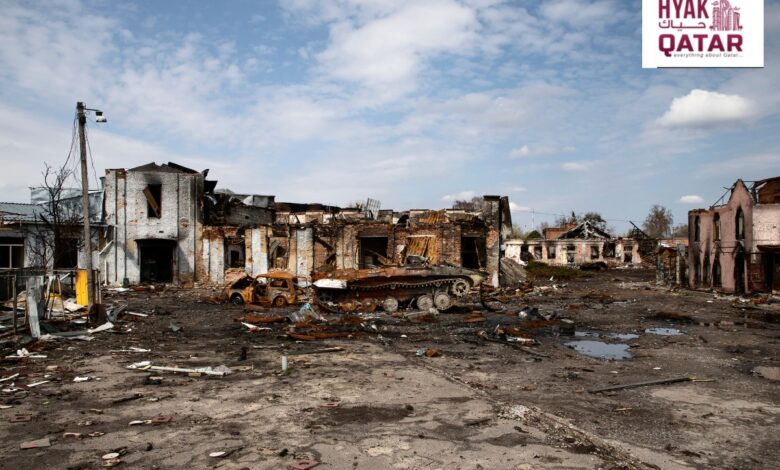
Ongoing tensions have pulled Qatar into a complicated political and security standoff with Tehran amid a growing regional conflict that started with Israeli and American military attacks against Iran late last month.
Several Iranian missiles and drones targeted against Qatar’s territory, including its international airport and civilian facilities, have been intercepted by the country’s air defense forces since the hostilities escalated on February 28. Although officials acknowledged that the operations violated Qatar’s sovereignty, they emphasized that defense systems had mostly neutralized the threat and that there had been few reported injuries thus far.
Iran’s announcement that it would attack ships trying to pass through the Strait of Hormuz, a crucial maritime chokepoint that accounts for a sizable portion of the world’s energy exports, after closing it in response to strikes on its territory, set the stage for the military exchanges.
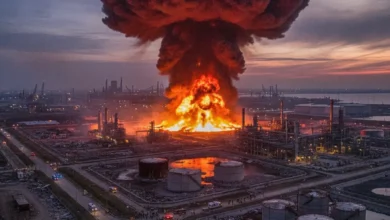
One of the biggest producers of liquefied natural gas in the world, Qatar, also said that its state energy companies had stopped producing after the strikes targeted their facilities. This led to a steep rise in global energy prices and worries about supply disruptions.
Qatar’s foreign ministry responded diplomatically by denouncing the attacks and reaffirming its right to protect its territory “in accordance with international law.” Members of the Arab League and the Gulf Cooperation Council (GCC) released declarations of sympathy condemning what they called intolerable cross-border attacks that endanger regional security.
The geopolitical scope and human cost of the conflict have increased. Iran’s retaliatory actions included drone and missile assaults on American and allied installations around the Gulf region. As the situation remains unknown, world capitals have been attempting to evacuate residents and urge moderation.
According to analysts, Qatar’s role as a significant oil provider and a host of foreign military installations puts it at the crossroads of conflicting interests in the Middle East, making it more difficult to confine the current crisis to a single theater of battle.