
Qatar to Attend US-Iran MoU Signing Ceremony in Geneva
Dr. Majid Al-Ansari outlines Qatar's role in Pakistan-led mediation, addresses economic funds, denies electrical deal reports and takes a firm stand on Lebanon.
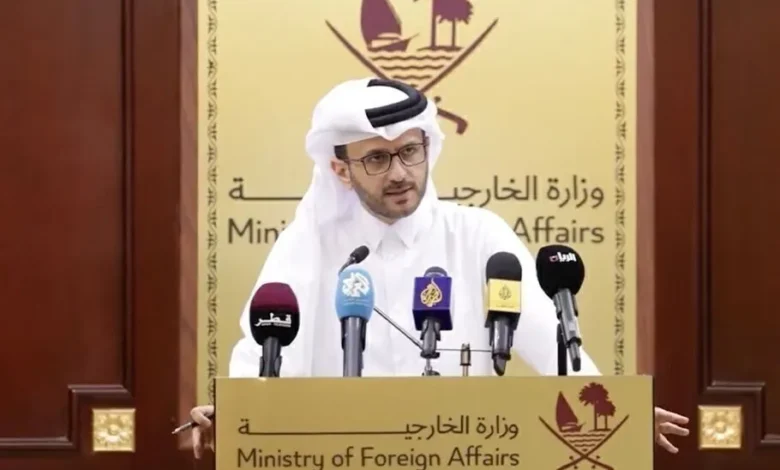
Qatar will be represented at a historic diplomatic moment this week.
Dr. Majid bin Mohammed Al-Ansari, Advisor to the Prime Minister and Official Spokesperson for the Ministry of Foreign Affairs, confirmed that Qatar will attend the signing ceremony of the Memorandum of Understanding (MoU) between the United States and Iran. The ceremony takes place in Geneva, Switzerland, on Friday, June 19, 2026, alongside other regional and concerned countries and Pakistani mediators.
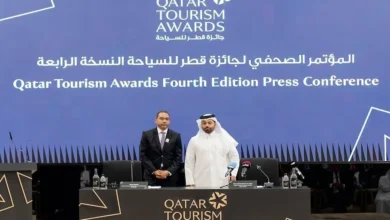
The confirmation came during the Ministry of Foreign Affairs’ weekly media briefing.
Qatar’s Role in the Mediation Process
Dr. Al-Ansari said Qatar has participated in supporting the mediation process led by Pakistan. He explained that following meetings held in Islamabad, contacts were made with various countries in the region, including Qatar, to help bridge the gaps between the parties and bring an end to a crisis that has affected everyone.
He noted that the memorandum was already signed electronically and will now be signed in person this Friday, a step that paves the way for the start of formal negotiations.
He stressed that Qatar’s role was primarily focused on supporting Pakistani efforts to reach consensus between the two sides, ensuring the resumption of normal navigation in the Strait of Hormuz, the continuation of the ceasefire, and progress towards negotiations. He was clear on one point: Qatar supports the mediation led by Pakistan, and there is no independent Qatari mediation in this matter.
AchieveWhat the US-Iran MoU Aims to Achieve
Dr. Al-Ansari expressed Qatar’s cautious optimism that the signing would lead to the next phase of negotiations, contributing to regional stability through talks focused on the nuclear issue and regional security matters.
He reiterated that Qatar has focused, since the first day of the crisis, on the safety and security of its citizens and residents and on protecting national and economic security as essential components of the regional security system. He expressed hope that the agreement would mark a first step towards a broader regional consensus that guarantees lasting security and stability.
He confirmed that communication between the parties is ongoing and that Qatar continues to engage with various sides to support a successful outcome while also confirming that no meetings are currently being held in Doha between the concerned parties.
Qatar Denies Disbursing Funds for Iran Crisis
Asked about the economic repercussions of the war, Dr. Al-Ansari said there is an economic dimension related not only to reconstruction, but also to investment, given the circumstances the region has witnessed.
He was careful to draw a clear line. He said specific details of the economic aspect cannot be discussed, but stressed that any effort of this kind must be an international one, not a bilateral one falling within a framework of full international coordination that treats economic development in the region as a collective responsibility.
He was direct on one point that had drawn public attention: no Qatari funds have been disbursed in this context. He said international coordination is underway to address the consequences of the crisis, rather than any unilateral Qatari financial commitment.
Qatar Denies Electrical Deal With Iran
Dr. Al-Ansari also addressed reports concerning electrical interconnection between Qatar and Iran. He stated clearly that there is no agreement in this regard between Qatar and Iran.
He acknowledged that the repercussions of the crisis have affected the region’s economies and energy security, but said this does not extend to any electrical interconnection deal contrary to what some media outlets have reported.
Qatar’s Position on Lebanon, Gaza and Syria
In a related context, Dr. Al-Ansari confirmed that the Lebanese issue was among the topics discussed in the memorandum and that consensus was reached on it. He was firm in his language: there is no justification for the ongoing Israeli attacks on Lebanon and Lebanon’s sovereignty is a red line for everyone in the region. These attacks, he said, cannot be justified under any circumstances.
He went further, stating that continued escalation in the region does not contribute to establishing any ceasefire, nor does it achieve lasting peace. He pointed to the escalation in Gaza, the targeting of civilians, the attacks on Lebanese sovereignty and incursions into Syrian territory as factors that jeopardise the security of the entire region and make peaceful outcomes harder to reach.
He added that continued communication with the United States, along with regional and international parties, gives Qatar confidence that a ceasefire can be reached not only in the Gulf region, but in other areas including Lebanon. He noted, however, that this remains contingent on the Israeli government’s commitment to respecting any ceasefire reached.
Rebuilding Trust After the Crisis
On the question of returning to normalcy after the crisis, Dr. Al-Ansari said the priority now is to build a new reality based on rebuilding trust, reopening channels of communication and reaching a shared understanding of the region’s post-war landscape, in light of everything it has witnessed recently.
He was candid about the scale of the challenge ahead. He said the region cannot simply return to the situation that existed before the crisis. Instead, he affirmed there is a significant need for dialogue and consensus on how to ensure the security of the region and its countries in the coming phase.
Qatar’s Next Steps After Geneva Signing
The Memorandum of Understanding will be formally signed in person in Geneva this Friday, June 19, 2026. Qatar will be present alongside Pakistani mediators and other regional and concerned countries.
For Qatar, the message from this week’s briefing was consistent throughout: continued support for Pakistan’s mediation, no independent Qatari channel with Tehran, no disbursed funds, no electrical interconnection deal but a clear commitment to dialogue, regional stability and a firm stance against any escalation that threatens Lebanon, Gaza, or Syria.
For the latest updates on Qatar’s regional diplomacy, follow HyakQatar.