
Qatar Condemns Deadly Attack on UN Peacekeepers in Lebanon
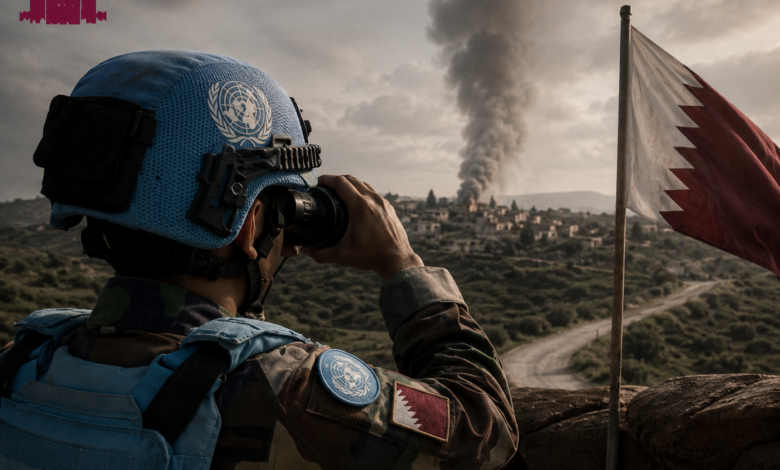
Qatar has spoken out strongly after a UN peacekeeper was killed in southern Lebanon, calling for justice while the region struggles to maintain a shaky ceasefire.
A deadly attack on a United Nations peacekeeping base in southern Lebanon has drawn sharp condemnation from Qatar. The strike killed one Serbian soldier serving with the UN Interim Force in Lebanon, known as UNIFIL and left two more peacekeepers injured, one from El Salvador and one from Spain.
Qatar’s Ministry of Foreign Affairs wasted no time in responding. The ministry called the attack a clear violation of international law and demanded that those behind it be held accountable. It also offered its condolences to Serbia and wished the injured soldiers a quick recovery.
The UN force itself went a step further, warning that intentionally targeting peacekeepers could be considered a war crime under international law.
Who Is UNIFIL and Why Does It Matter?
UNIFIL the United Nations Interim Force in Lebanon was established in 1978 to help restore peace along the Lebanon-Israel border. Today, the force includes thousands of soldiers from over 40 countries, all deployed to monitor the ceasefire line and support the Lebanese army in keeping the south stable. Attacking these soldiers does not just harm individuals, it directly undermines the only international buffer standing between Lebanon and a full-scale military conflict.
Ceasefire Efforts Under Threat
The attack happened at a sensitive time. Just this week, Israel and Lebanon held US-backed talks in Washington where both sides agreed to steps meant to strengthen the ceasefire. Part of the plan includes creating special zones in southern Lebanon controlled only by the Lebanese army, with all armed groups removed.
However, Hezbollah’s leader Naim Qassem rejected the agreement, calling the talks pointless and insulting to Lebanon. His rejection has already cast doubt on whether the ceasefire can hold.
Global observers are warning that without calm along the border, the risk of a larger conflict in the region grows by the day.
Qatar’s Role
Qatar has consistently stood against attacks on international peacekeepers in Lebanon. The country continues to push for diplomatic solutions and legal accountability, making its voice one of the few steady calls for stability in an increasingly tense situation.